
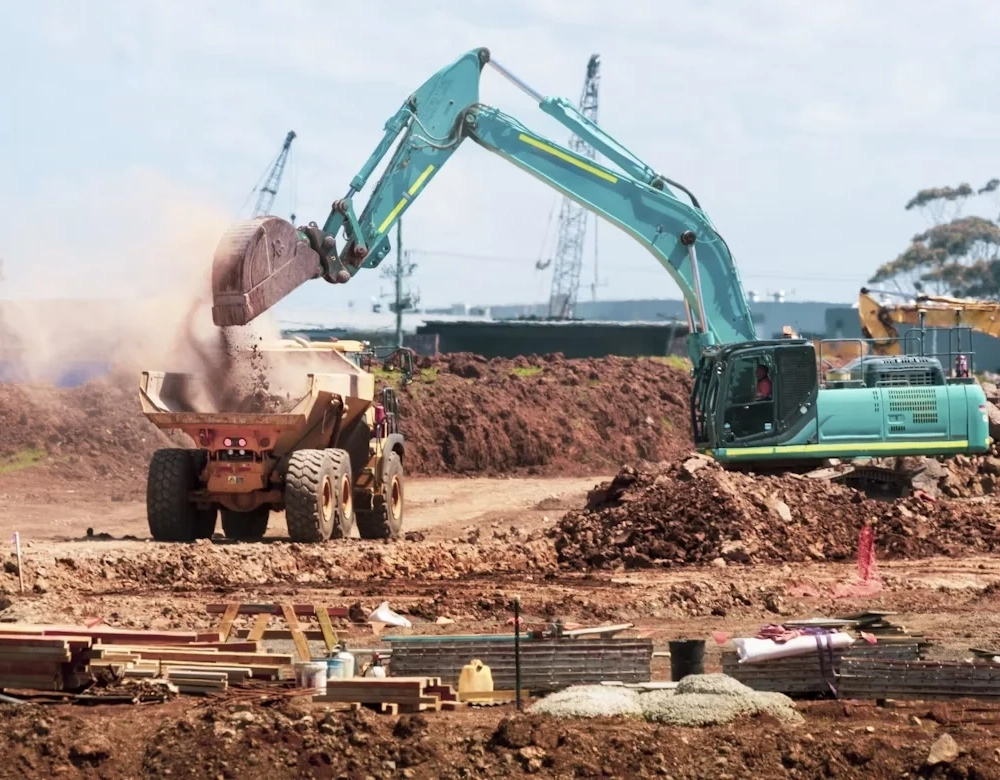
One of the most fundamental building blocks of a successful project in the construction, mining, infrastructure, and excavation sectors is the accurate and strategic formation of the machinery fleet used on-site. Choosing the right construction machinery maximizes operational efficiency while directly optimizing operating costs across many items, from fuel consumption to maintenance expenses. Conversely, a wrong machine choice can lead to project disruptions, strained budgets, and time losses.
So, what factors should engineers, fleet managers, and project owners consider when making a new construction machinery investment or expanding their existing fleet? In this comprehensive guide, we examine in detail the most critical factors to consider during the construction machinery selection process.
1. Analysis of Project Needs and Site Conditions
Not every construction machine can exhibit the same high performance on every site. Before making an investment, the geographical and physical environment where the machine will operate must be impeccably analyzed.
- Ground Structure: Tracked machines (such as tracked excavators) provide superior traction and balance in muddy, rocky, soft soil, or sloped terrains; whereas flat surfaces, asphalt, and urban projects are more suitable for wheeled alternatives.
- Work Area Restrictions: In intra-metropolitan urban transformation projects or narrow construction sites, models with high maneuverability, compact designs, or zero-tail swing should be preferred.
- Volume and Intensity of Work: The amount of earthwork to be excavated, the tonnage of the load to be lifted, and daily working hours (single shift or 7/24 operation) determine the capacity class of the machine.
2. Technical Specifications and Performance Criteria
The technical data listed in the machine's brochure are the most important precursors of real-world performance on-site. The following parameters should be meticulously compared during the selection phase:
Expert Advice: "Focusing solely on engine power can be misleading. Elements such as hydraulic system capacity, breakout force, and slewing torque are the actual factors determining the machine's true working speed in challenging soils."
- Engine Power and Emission Standards: Eco-friendly, next-generation engines (Tier 4 / Stage V compliant) that produce high torque with low fuel consumption both protect nature and ease the fuel budget in the long run.
- Hydraulic System Efficiency: Systems offering precise control and smart hydraulic flow management reduce operator fatigue while improving work quality.
- Bucket and Attachment Compatibility: The ability of the machine to work compatible with hydraulic breakers, rippers, different bucket types, or grabs increases the machine's versatility.
3. Ergonomics and Operator Comfort
Construction machinery efficiency is largely directly proportional to the comfort of the operator using the machine. Elements that prevent distraction during long working hours include:
- Wide Field of View: A cabin design where blind spots are kept to a minimum is of vital importance for site safety.
- Climate Control and Sound Insulation: Low in-cabin noise levels, effective air conditioning systems, and ventilated ergonomic seats directly elevate operator performance.
- Digital Control Panels: Easily accessible joysticks and information screens with intuitive interfaces make it easy to monitor machine parameters instantly.
4. Fuel Consumption and Total Cost of Ownership (TCO)
The initial investment paid when purchasing a construction machine constitutes only a part of the total cost. The expenses the machine will make throughout its economic life must be calculated:
- Specific Fuel Consumption: Machines with low hourly fuel consumption thanks to smart ECO modes and automatic idling systems provide daily savings to the business.
- Ease of Maintenance and Periodic Intervals: Easy access to filters and control points minimizes downtime by shortening maintenance periods.
- Resale Value: Machines with proven reliability in the sector and strong brands and models maintain high second-hand market values when disposed of in later years.
5. Service, Spare Parts, and After-Sales Support
Even a construction machine with the most advanced technology can harm the project if it breaks down without strong service support behind it. The role of the supplier company in the purchasing decision is significant:
- Widespread Service Network: The presence of mobile service teams in your region capable of rapid intervention prevents the construction site from stopping in emergencies.
- Original Spare Parts Availability: Instant access to needed filters, wear parts, and critical components guarantees the operational continuity of the machines.
Conclusion and Summary
Construction machinery selection is a strategic process where technical data, site realities, and financial analyses are blended. The right machine investment increases safety on the construction site, speeds up business processes, and carries your business's competitive power to the peak. You can secure your long-term profitability by basing your decisions on the criteria above while forming the machinery park most suitable for your needs.